

A Complete Guide to Extending Machinery Life, Reducing Downtime, and Protecting Your Investment
Heavy equipment is one of the biggest investments in construction, mining, agriculture, and industrial operations. Whether you manage excavators, bulldozers, cranes, or loaders, preventive maintenance is not optional — it is essential.
Unexpected breakdowns can lead to costly downtime, project delays, expensive emergency repairs, and even safety risks. A structured preventive maintenance checklist helps you avoid those problems while increasing equipment lifespan and protecting your bottom line.
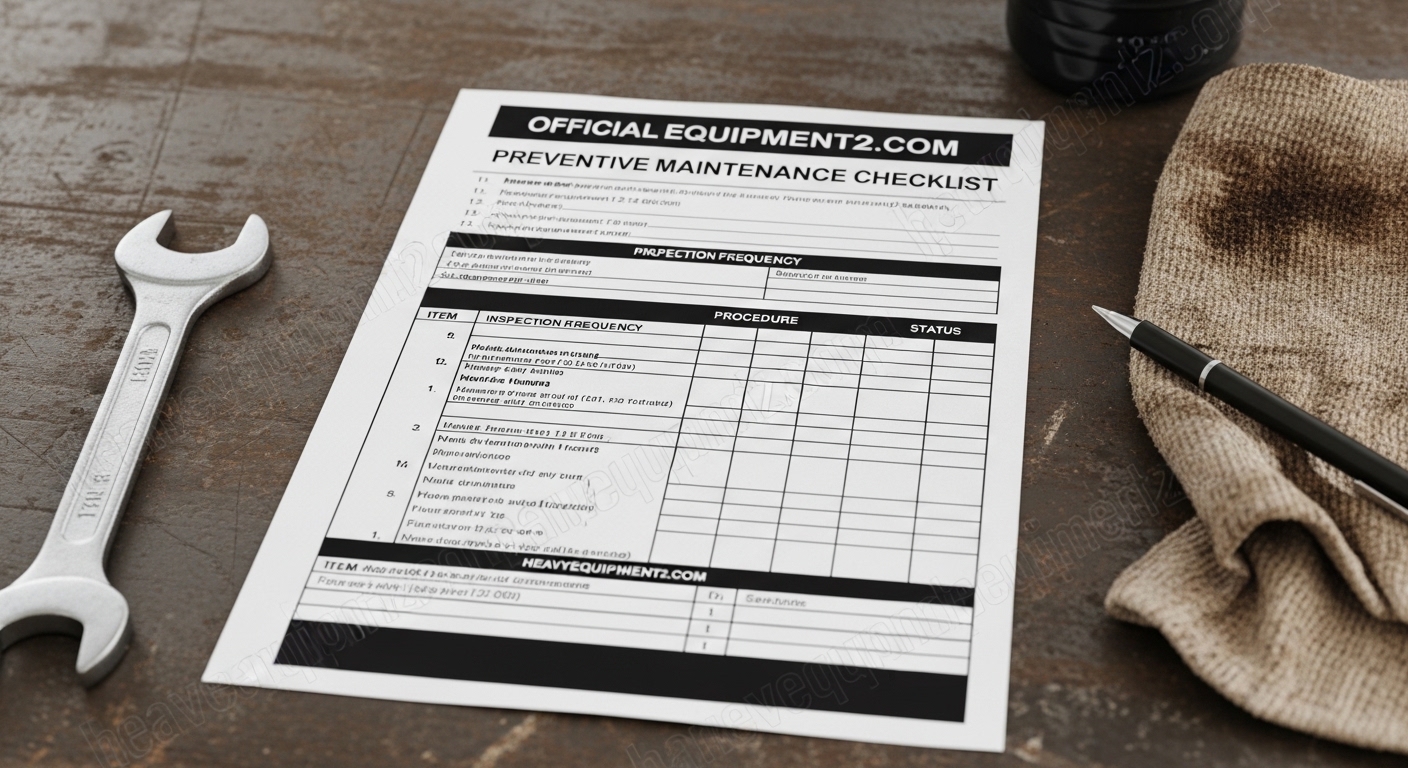
In this guide, you’ll find a professional, practical, and easy-to-follow preventive maintenance checklist designed for heavy machinery owners, fleet managers, and equipment operators.
Why Preventive Maintenance Matters
Preventive maintenance focuses on regular inspections and scheduled servicing before problems occur. Instead of reacting to failures, you proactively reduce wear and tear.
Key Benefits:
-
Reduced unplanned downtime
-
Lower repair costs
-
Extended equipment lifespan
-
Improved fuel efficiency
-
Enhanced operator safety
-
Higher resale value
A well-maintained machine not only performs better but also retains more value in the used equipment market.
Daily Preventive Maintenance Checklist
Daily inspections should be performed before operating the machine. These checks take only minutes but can prevent major failures.
1. Visual Inspection
-
Look for leaks under the machine (oil, coolant, hydraulic fluid).
-
Inspect hoses and belts for cracks or wear.
-
Check for loose bolts or damaged components.
-
Inspect tires or tracks for excessive wear or damage.
2. Fluid Levels
-
Engine oil
-
Hydraulic fluid
-
Coolant
-
Transmission fluid
-
Brake fluid (if applicable)
Low fluid levels can cause overheating, pressure loss, or engine damage.
3. Grease Points
-
Lubricate pivot points, joints, and bushings.
-
Follow manufacturer lubrication intervals.
Proper lubrication reduces friction and prevents premature component wear.
4. Safety Equipment Check
-
Lights and signals
-
Horn
-
Backup alarms
-
Mirrors and cameras
-
Fire extinguisher
Safety systems must always be fully operational before starting work.
Weekly Maintenance Checklist
Weekly checks go slightly deeper and ensure systems are operating efficiently.
1. Battery Inspection
-
Clean terminals
-
Check for corrosion
-
Ensure secure connections
2. Air Filters
-
Inspect engine air filter
-
Clean or replace if dirty
Dirty air filters reduce engine efficiency and increase fuel consumption.
3. Hydraulic System
-
Inspect cylinders for leaks
-
Check hose fittings
-
Monitor unusual noises
Hydraulic issues can escalate quickly if ignored.
4. Tire Pressure / Track Tension
-
Maintain proper inflation
-
Adjust track tension if required
Incorrect pressure affects stability and fuel efficiency.
Monthly Maintenance Checklist
Monthly maintenance focuses on deeper inspections and system-level performance.
1. Change Engine Oil (If Required)
Follow manufacturer hour-based intervals.
2. Replace Filters
-
Oil filter
-
Fuel filter
-
Hydraulic filter (as scheduled)
3. Cooling System Inspection
-
Inspect radiator for debris
-
Check coolant concentration
-
Examine hoses for wear
Overheating is one of the most common causes of engine failure.
4. Brake System Inspection
-
Check brake pads and discs
-
Test brake responsiveness
Seasonal or Hour-Based Maintenance
Heavy equipment maintenance is typically scheduled by operating hours (250h, 500h, 1000h intervals).
Common Tasks Include:
-
Full fluid replacement
-
Transmission service
-
Differential inspection
-
Hydraulic pressure testing
-
Software diagnostics (for modern machines)
Always consult the equipment manufacturer’s service manual for exact intervals.
Common Preventive Maintenance Mistakes to Avoid
Even experienced operators sometimes overlook critical steps.
1. Ignoring Small Leaks
Small leaks often become major repairs if left untreated.
2. Skipping Lubrication
Failure to grease pivot points leads to costly joint replacements.
3. Using Incorrect Fluids
Always use manufacturer-approved oil and hydraulic fluids.
4. Delaying Scheduled Services
Postponing maintenance increases long-term repair costs.
Creating a Maintenance Log System
Professional fleet operators rely on maintenance tracking systems.
What to Record:
-
Service dates
-
Operating hours
-
Replaced parts
-
Fluid changes
-
Inspection notes
You can use:
-
Spreadsheet tracking
-
Fleet management software
-
Telematics systems
-
Maintenance management apps
Keeping accurate records improves resale value and ensures compliance with safety regulations.
Signs Your Equipment Needs Immediate Attention
Stop operations and inspect the machine if you notice:
-
Unusual vibrations
-
Warning lights on dashboard
-
Sudden power loss
-
Excessive exhaust smoke
-
Overheating
Ignoring these warning signs can result in catastrophic engine or hydraulic failure.
How Preventive Maintenance Reduces Operating Costs
A structured preventive program can reduce overall ownership costs by:
-
Minimizing emergency repairs
-
Reducing fuel consumption
-
Preventing major component replacement
-
Extending machine life by years
For contractors and fleet managers, maintenance is not an expense — it is an investment in operational efficiency.
A heavy equipment preventive maintenance checklist is one of the most powerful tools for protecting your machinery investment. Regular inspections, proper lubrication, fluid monitoring, and scheduled servicing dramatically reduce downtime and long-term repair costs.
Whether you operate a single excavator or manage an entire construction fleet, consistency is the key to reliability and profitability.
Prevent problems before they start — and your equipment will reward you with years of dependable performance.